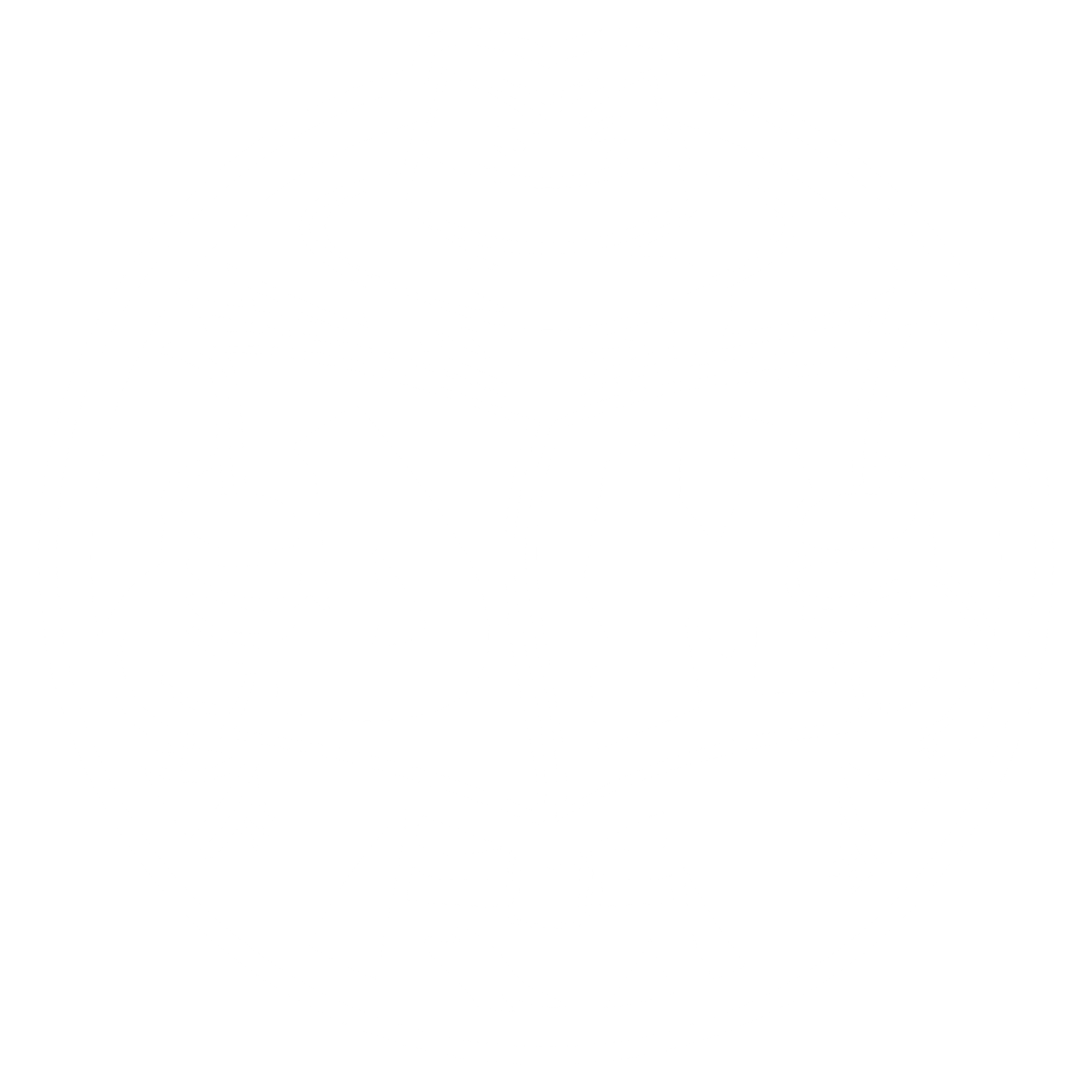
'KAWS' - Fuel January 1998
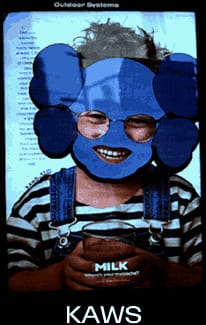
Writer & Interviewer: Lizzie Simon
"Authority's a strange thing when it doesn't feel right," Kaws says calmly.
He would know as well as any of us, but the difference between Kaws and us is that he's out there in the city during the night, leaving his artwork in bus stops and phone booths– presumably against the strong wishes of authority both municipal and commercial. What he does is illegal: stealing advertisements, working into them his own "interventions," returning the altered images to the streets. In his work, skulls, sperm, and bones embrace, pierce, obliterate, and/or drape themselves around the familiar images that populate the ads bombarding our public space. Kaws subverts the intentions of advertisers by using the very skills, resources, and tactics over which advertisers have a basic monopoly. I liked Kaws's work the minute saw it. I liked that he was twenty-two, doing something, doing it well, and doing it for the public. Kaws has done forty of these pieces so far, and the fashion world and media circus have taken notice. His show, "Me vs. Them," is on view at Bob's (235 Eldridge Street) until Feb. 6.

Lizzie Simon: How the hell do you get away with stealing the signs? And how did it occur to you?
Kaws: It's actually pretty easy. You could do most things that you want to, if you figured it out and put a little time into it. It sort of just spawned off of more traditional graffiti type things. Initially, it was just, like, letter-based and murals, freight trains, and that sort of stuff.
Lizzie: Is any of your stuff up now?
Kaws: No, they used to run for a lot longer. They used to run for about two months at the very most; I had one up on West Broadway for a month and a half. Now they get stolen. I put them up, and two days later, they're either stolen or else the company's really quick to replace them. It's a little depressing. It's semi-flattering and semi-annoying. It's kinda that grey area....
Lizzie: How much do you fear being arrested when you do it?
Kaws: I don't really fear... Actually, I just got arrested a couple of weeks ago, for the stupidest thing-- art related, I mean. Nonsense....
Lizzie: How do account for the fact that the fashion world is embracing your work instead of being pissed off at you?
Kaws: I don't know. I am taking all of these mass produced images and putting all of this time into them. I do admire the photographers who are involved, the stuff they do is amazing, they give me great things to work over. It kind of feels like a collaboration, but that's only built up in my head. Overall, it's pretty good responses. Women's Wear Daily did a piece on my thing up at Bob's-- kinda like a "what-chick-was-wearing-what" b.s. thing. I spoke to Diesel about a few different things. When I was out in London, I did some of their ads in the underground. I reworked them to say "Die: For successful living". They're all more into it than against it.
Lizzie: Have you gotten any criticism from people who think that art which is supposed to be challenging the grip that consumerism has on public space shouldn't be collaborating with fashion advertisement?
Kaws: I just think, "Well, it's my neighborhood". I just customize the ads so that when I'm walking home from work, I get all warm inside. You see all of these mass images, and here you are, budget of three dollars, here's this ten million dollar campaign and suddenly you're a part of it.
Lizzie: What do you hope people get from your work?
Kaws: It's pretty humorous. I just hope it lightens up their days and makes them crack up laughing. The viewer I'm aiming for is just the random person walking down the street. It's nice to know you could hit all of those people without being a massive corporation.
Lizzie: Is there more freedom in the street art scene?
Kaws: Definitely. The art world still to me seems so unapproachable, whereas having the privilege of growing up with a graffiti/street art background, you have all of these people at a really young age that are way into what they are doing and being really productive, spending hours just painting walls, it's all out of their pocket, there's no funding, there's no corruption, there's no waiting for this thing to be signed so that you can do this thing here. It's like, "You feel like painting? Great, let's go out." It's really good to have an outlet like that. In Manhattan, Guiliani wants to kill that. I see it, like, where else do you see so many young kids so into art, and really into what they're doing , and out there, being productive, which is the bottom line, just producing.
Lizzie: It's amazing.
Kaws: It's super-impressive, and a lot of people don't pick up on that, it's kind of disappointing. There are certain parts of Jersey City and the Bronx and Washington Heights and the neighborhood is totally into their walls being painted. Instead of having a few tags up, five or six guys come up and say, "Listen we'll paint your wall" . It comes out of their pocket, they spend a few days on it and paint these amazing murals. The people who painted it are happy, the people who've had they're walls painted for free are psyched, and why is the city trying to catch up with these same guys and try and throw a charge for every one they did? It's annoying.
Lizzie: It's misguided.
Kaws: That whole eradicate attitude is so...
Lizzie: I know. What are the politics of getting into a gallery?
Kaws: I wish somebody would tell me! That's not the outlet for the moment. Right now I'm thinking about corners and street spots.
Lizzie: How are you handling all of the media attention? I mean, I know it must be terribly exciting, but is there any part if you that's apprehensive?
Kaws: Anything you never deal with is strange.
Lizzie: Would you like to stay fairly anonymous?
Kaws: I don't know. I go back and forth with opinions. The thing about being anonymous is that it's sort of fun, you know, poking them in at nighttime, and everybody's kinda like, "Where do they come from?". But also, having your images reach tons of people, to get feedback from little kids and eighty year old guys....
Lizzie: Is wealth one of the things you're reaching for?
Kaws: Pretty much I see it as yes, I would like to make a solid living off of making art. As far as wealth, if I had more money as an artist, I'd be doing a hell of a lot more interesting things. I'd be able to do sculptures, I'd be able to frame my work, and do these massive shows.....
Lizzie: There's obviously a rebellious nature to your art. Have you always had issues with authority?
Kaws: Authority has been a weird thing ever since childhood. My grammar school nun told me, I wasn't sure if I was graduating from eighth grade and I went up to this thing....I had my report card and it said I passed. I showed her and I asked if it was right and she said yeah and said I was incorrigible, and I was like "Great!", cause I didn't even know what the word meant. I went home and I told my mom and she just started laughing. Authority's a strange thing when it doesn't feel right.
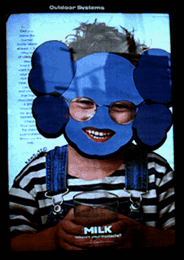
(GOT MILK) - Phone Booth, West Broadway and Houston Street, New York
"I put up that ad on the first day after Thanksgiving. I was going for the whole 'Black Friday' crowd– trying to capitalize on the holidays. It lasted only about five days, and then the workers got it. They always say that they're 'saving it for evidence.' My fantasy is that they'll put out all these images in court and it'll be my best show ever."
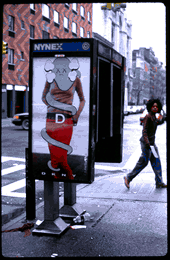
(NICOLE ) - Phone booth, MacDougal and King Streets, New York
"That was one of first times that I put up the skull image in a phone booths – early '96."
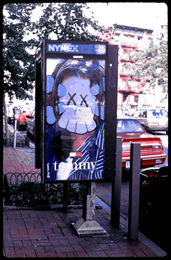
(TOMMY) - Phone booth, Sixth Avenue and Prince Street, New York"Two workers were taking my ad out of the frame and I asked them if they'd give it to me, but they ignored me. I offered money for it, but they said the company was keeping it for evidence."
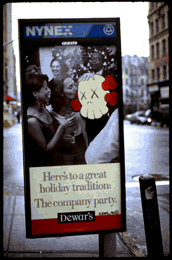
(DEWARS) - Phone booth, Broome and Lafayette Streets, New York
"That spot was easy to do, but the door was broken– I didn't even need tools to open it. I actually took the ad out after I was done photographing it, because I didn't want someone just to grab it."

(CAMEL) - Billboard, Mission DIstrict, San Francisco
"There was a ladder up on the first story of a building that was going up. I just popped from there up to the sign's ladder, and added my name and the 'FC' on the dice, which is for 'Fame City,' a graffiti crew from New York – Washington Heights – that I paint with on occasion."

(ARMANI) - Billboard, Tokyo
"That was one of the Emporio Armani ads that came out this year. It was kinda weird doing stuff over there, because of the whole language thing. I didn't feel as comfortable with the possibility of being caught as I would have been in London or in New York."

(GERMANY) - Billboard, Berlin
"The kids I was with were pressuring me to paint quick. They were saying, 'You just don't understand how super against graffiti the German police are.' So I just knocked out a few billboards down on the trainlines, across from the platform.
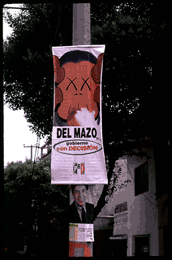
(DEL MAZO) - Political poster, Mexico City
"We just stole a few of these posters and put them back up. This one was in front of the gallery I was in. I was gone before I learned whether Sr. Del Mazo liked it or not."
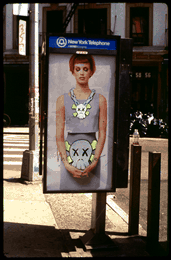
(DKNY) - Phone booth, Avenue A and Third Street, New York
"I kinda like a lot of the ads Donna Karan's put out– in the past they were lot more colorful, like in '96. I'm gettying a little bored with it now."